
GPDP 3 Formally Concludes, Turns Over Key Downstream Natural Gas Policy Outputs to DOE
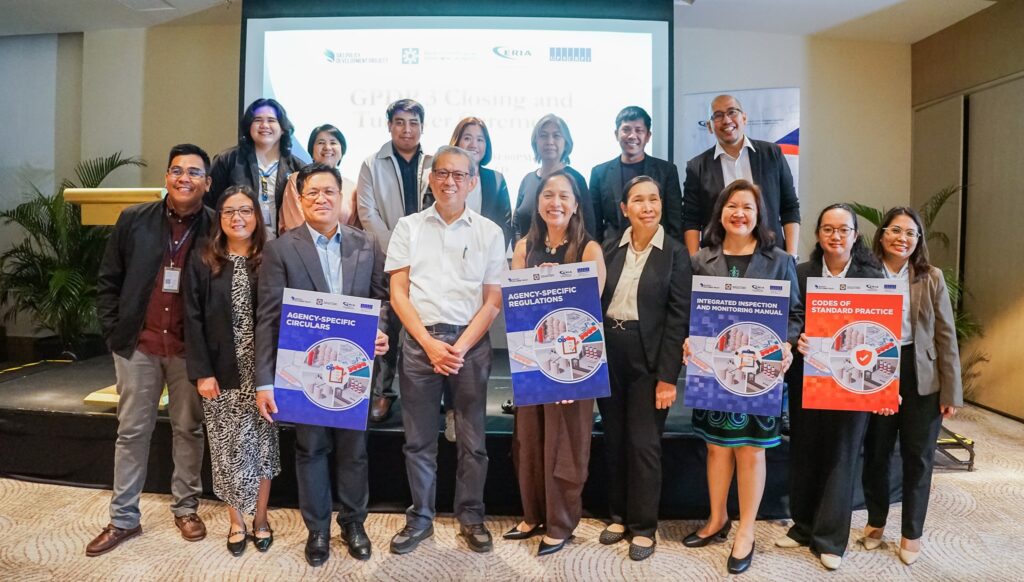
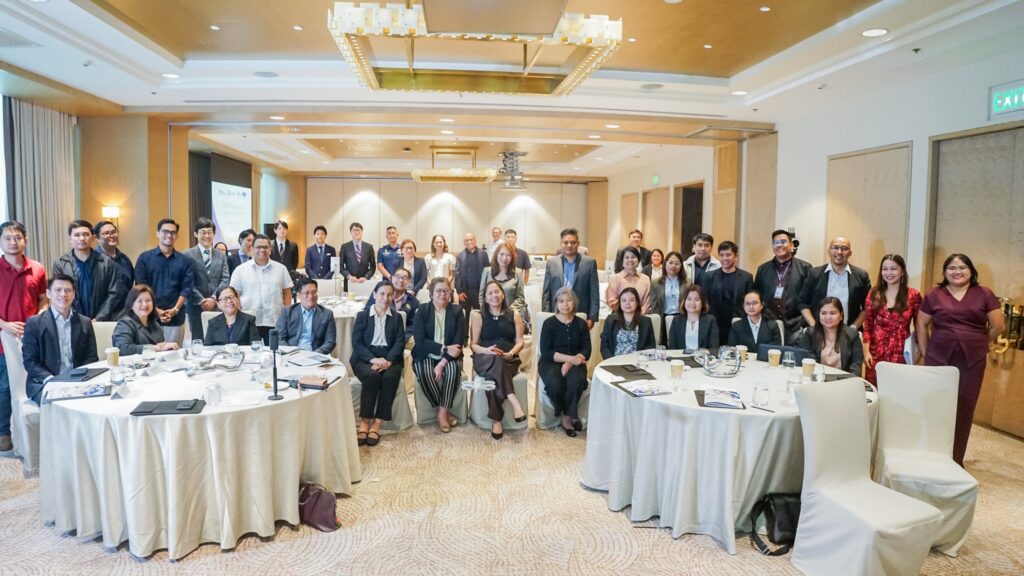
The Gas Policy Development Project 3 (GPDP 3) formally marked the conclusion of its two and a half years of implementation on 15 May 2026, during a Closing and Turnover Ceremony held at Shangri-La The Fort, Bonifacio Global City, Taguig City.
The ceremony brought together key officials and stakeholders, including Department of Energy (DOE) Secretary Hon. Sharon S. Garin, Undersecretary Alessandro Sales, Director Rino Abad, and Assistant Director Rodela Romero of the DOE-Oil Industry Management Bureau; Dr. Josefina V. Almeda, Member of the Board of Trustees of the UP Statistical Center Research Foundation, Inc. (UPSCRFI); Ms. Anna Maria Rosario D. Robeniol, Senior Policy Fellow of the Economic Research Institute for ASEAN and East Asia (ERIA); and Mr. Masakazu Dobashi, President of JERA Philippines. Representatives from partner government agencies were also in attendance.
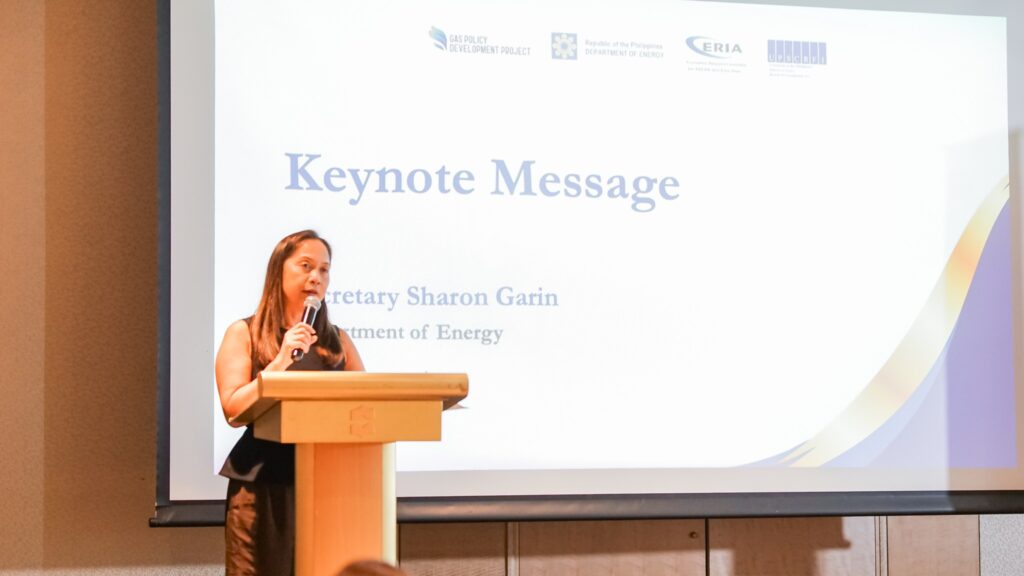
In her keynote message, Secretary Garin underscored the importance of the foundations GPDP 3 had established: “Since its implementation, the Project has helped strengthen the institutional and regulatory foundations of the downstream natural gas industry. It has turned policy direction into practical tools—tools that help make the sector safer, more coordinated, and more responsive to the realities of implementation.”
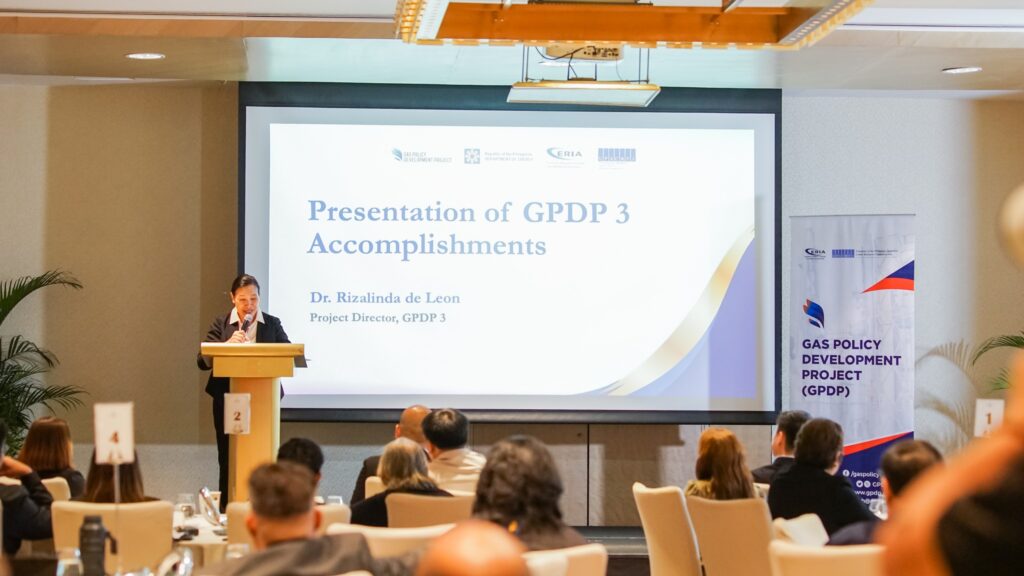
GPDP 3 Project Director Dr. Rizalinda de Leon presented the Project’s major outputs across its three components including: 1) Codes of Standard Practice, Agency-Specific Regulations and Circulars, and the Integrated Inspection and Monitoring Manual (IIMM) under the Regulation Creation component; 2) Three studies under the Research Component covering LNG demand mapping, techno-economic feasibility of natural gas use in special economic zones, and an environmental life cycle assessment of natural gas utilization in the Philippines; and 3) 22 capacity-building activities that engaged more than 600 stakeholders from government, the private sector, and academe.
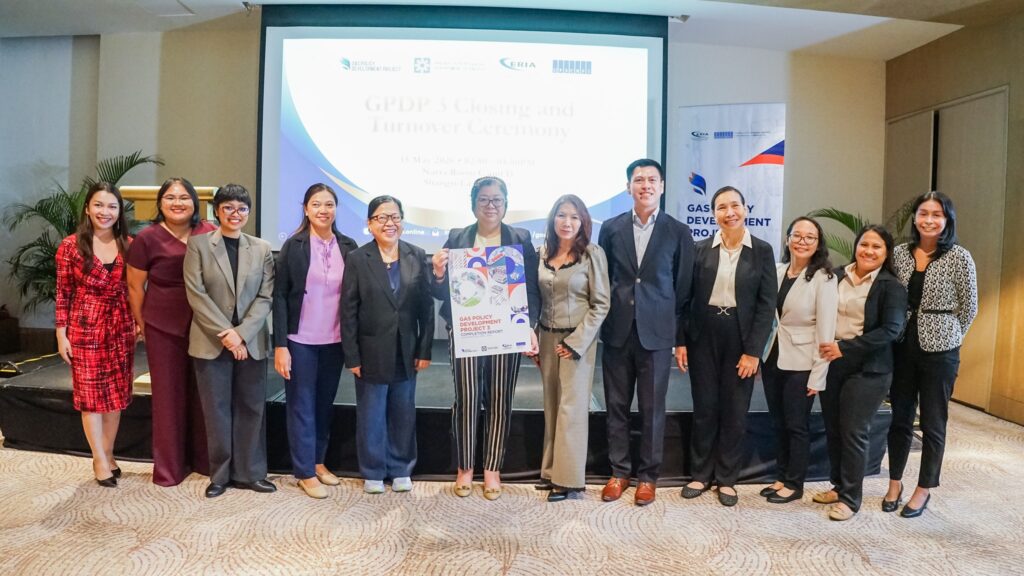
As part of the ceremony, GPDP 3 formally turned over its regulatory instruments and research outputs to the DOE, and handed over the Project Completion Report to ERIA.
GPDP 3 was implemented by the UPSCRFI in direct support of the DOE’s mandate to develop a comprehensive regulatory framework for the Philippine downstream natural gas industry. The Project was carried out with the steadfast support of ERIA, an intergovernmental organization that provides policy-relevant research to support sustainable and equitable economic development across the ASEAN and East Asia region.
Throughout its implementation, GPDP 3 worked in close coordination with partner agencies, including the DOE, Bureau of Fire Protection (BFP), Department of Environment and Natural Resources-Environmental Management Bureau (DENR-EMB), Department of Health-Bureau of Quarantine (DOH-BOQ), Department of Labor and Employment-Bureau of Working Conditions (DOLE-BWC), Maritime Industry Authority (MARINA), Philippine Coast Guard (PCG), Philippine Ports Authority (PPA), and the Local Government Unit of Batangas City and received invaluable technical assistance from JERA.
– – – – – – – – – – – – – – – – – – – – – – – – – – – – – – – – – – – – – – – – – – – – – – – – – – – – – – – – – – – – – – – –
GPDP 3 expresses its appreciation to the DOE, ERIA, UPSCRFI, JERA, all partner agencies, component teams, and stakeholders whose expertise, collaboration, and sustained commitment contributed to the successful implementation of GPDP 3.